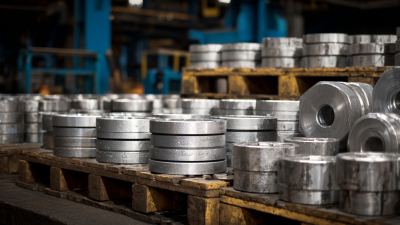
Hey there! So, in today’s manufacturing world, Copper Alloy castings are really becoming a big deal for buyers around the globe. You know, industry reports are showing a pretty solid jump—about 15% increase in demand over the last year. That’s quite impressive! The main reason? These castings have some pretty awesome properties, like high thermal and electrical conductivity, which make them super useful. Big players like the International Copper Association even say that copper alloys are crucial in applications ranging from cars to electronics.
What makes Copper Alloy Castings even more appealing is their versatility. They’re known for being durable and resistant to corrosion—perfect for industries that need reliable, long-lasting materials. And according to research from Smithers Pira, the market value for copper-based stuff could hit around $10 billion by 2025. But, of course, it’s not all smooth sailing. Prices for materials can fluctuate quite a bit, so buyers should stay on top of that. The unpredictability in supply and costs does raise some concerns about how stable things will be long-term.
Figuring all this out can be tricky; it really takes some know-how and good insight. Buyers need to come prepared with solid data and a clear understanding of what they’re looking for in terms of material specs. While Copper Alloy Castings are definitely packed with benefits, making smart choices is key if you want to get the most bang for your buck from them.

Introduction to Copper Alloy Castings
Copper alloy castingshave gained remarkable attention in various industries. They are known for their strength and resistance to corrosion. Reports indicate that the global market for copper alloy castings is anticipated to grow significantly by 2025, driven by the increasing demand in sectors such as aerospace, automotive, and Marine engineering.
One of the primary advantages of copper alloys is their excellent electrical conductivity. They outperform many metals, making them ideal for electrical components. According to industry data, copper alloys can conduct electricity at over 90% efficiency. This is crucial in applications where performance is vital, such as in electrical connectors and circuit boards.
Quality control in casting processes remains a challenge. Not all copper alloy castings meet the stringent industry standards. Various defects can arise, including porosity and misalignment. These issues can lead to significant financial losses if not addressed properly. Continuous innovation and improvement in casting techniques are necessary to enhance product reliability and ensure that global buyers receive the best quality products.
Understanding the Composition of Copper Alloys
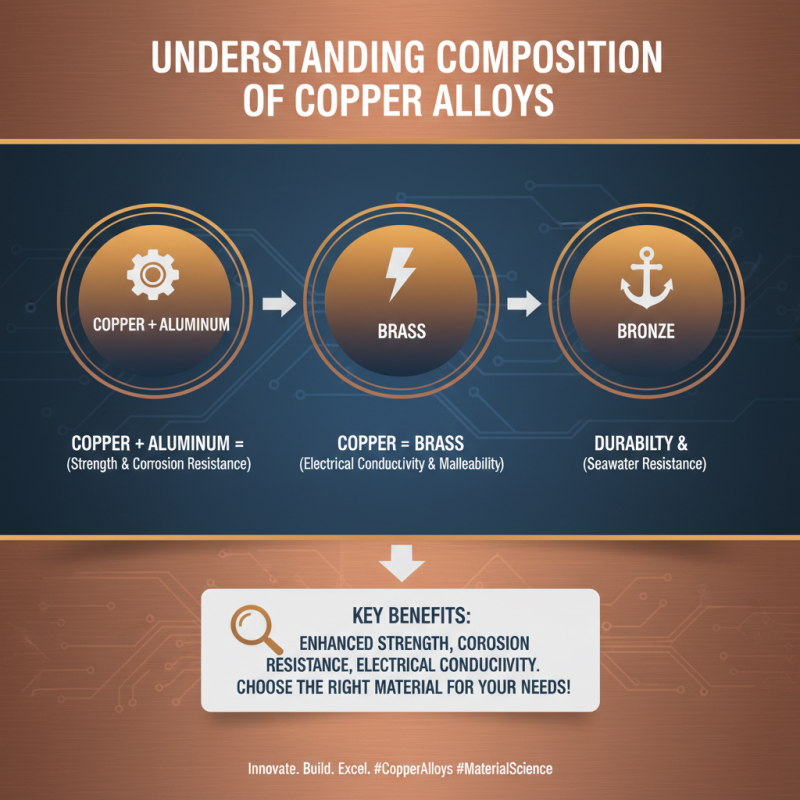
Copper alloys are a blend of copper with other metals, enhancing specific properties for diverse applications. Understanding these compositions helps buyers select the right materials for their needs. Traditionally, copper is combined with aluminum, zinc, or tin to create alloys that improve strength, corrosion resistance, and electrical conductivity.
Industry data indicate that the global copper alloy market was valued at approximately $48 billion in 2021, with expected growth due to advances in technology and manufacturing processes. Alloys like brass and bronze dominate the market. For instance, brass, a copper-zinc alloy, offers excellent machinability. Meanwhile, bronze, typically made from copper and tin, is renowned for its resilience in marine environments.
However, variability in alloy compositions can lead to challenges. Buyers may prefer specific grades, but slight changes in metal ratios can impact performance. Understanding these nuances is crucial for selecting the best casting. For example, a brass with enhanced lead content improves machinability but could reduce corrosion resistance. Buyers must weigh the advantages against potential drawbacks carefully.
Advantages of Copper Alloy Castings in Corrosion Resistance
Copper alloy castings are renowned for their exceptional corrosion resistance. This property makes them highly valuable in various industries. They withstand harsh environments, helping to reduce maintenance costs over time. For example, marine applications benefit significantly from these castings due to their ability to resist saltwater corrosion.
Many buyers may not realize that copper alloys can endure chemical exposure better than traditional materials. The unique composition helps protect against rust and degradation. However, not all copper alloys are created equal. Some may perform better in specific conditions. It’s crucial for buyers to understand their application needs when selecting the right alloy.
Additionally, copper alloy castings exhibit excellent thermal and electrical conductivity. This feature complements their corrosion resistance. As a result, they are ideal for components where functionality is essential, such as electrical connectors. Yet, it’s essential to acknowledge that relying solely on metallic properties without comprehensive testing can lead to failures in critical applications.
Cost-Effectiveness of Copper Alloy Castings for Buyers
Copper alloy castings have gained recognition for their cost-effectiveness, particularly for global buyers in various industries. According to a recent industry report by Smithers Pira, the global market for copper alloys is expected to reach $200 billion by 2025. This rapid growth highlights the increasing demand for reliable materials.
When considering Copper Alloy Die Castings, buyers often find that the initial investment pays off over time. The durability and high corrosion resistance of copper alloys lead to lower maintenance costs. A study by the International Journal of Metalcasting reported that components made from copper alloys can last up to three times longer than those made from cheaper materials. This longevity translates into savings, allowing businesses to allocate their budgets more effectively.
However, not everything is straightforward. Some manufacturers may face challenges in sourcing sustainable copper. The costs associated with tracing the supply chain for ethical copper can impact profitability. Despite this, many experts agree that the superior performance of Copper Alloy Die Castings often outweighs the initial hurdles. Unquestionably, these materials offer unique benefits that may not be immediately apparent, yet they merit consideration.
Impact of Copper Alloy Castings on Manufacturing Processes
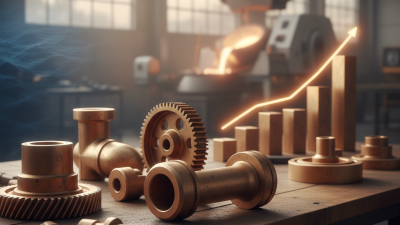
Copper alloy castings play a pivotal role in modern manufacturing processes. These materials offer unique properties, enhancing product durability and performance. When manufacturers choose copper alloys, they benefit from excellent corrosion resistance and thermal conductivity. These attributes significantly impact the functionality of the final products.
Incorporating Precision Copper Alloy Die Castings streamlines production. They can be molded into complex shapes, reducing the need for further machining. This aspect can lead to significant cost savings. However, manufacturers must remain mindful of potential issues like porosity and dimensional tolerances. These challenges require careful monitoring throughout the casting process to ensure high-quality outcomes.
Moreover, copper alloys can improve the overall efficiency of manufacturing. Their lightweight nature allows for easier handling and transportation. This efficiency aspect can result in faster project timelines. Yet, reliance on a single material type carries risks, especially if market fluctuations occur. Manufacturers should diversify their material usage to mitigate these risks while still reaping the benefits of copper alloys.
Top 10 Benefits of Copper Alloy Castings for Global Buyers
This chart illustrates the key benefits of using copper alloy castings in manufacturing processes. The data showcases the advantages perceived by global buyers, highlighting factors such as durability, corrosion resistance, conductivity, and cost-effectiveness.
Applications of Copper Alloy Castings in Various Industries
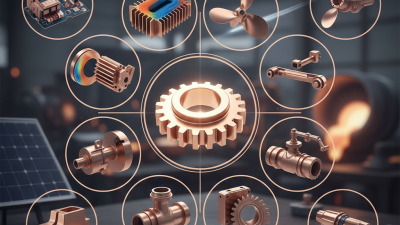
copper alloy castings find vital applications across various industries, showcasing their versatility and reliability. These materials are commonly used in automotive parts, where strength and corrosion resistance are crucial. Copper alloys can withstand harsh conditions, making them ideal for components in engines and electrical connectors. The ability to conduct electricity efficiently enhances their suitability in electronics.
In plumbing, copper alloy castings are valued for their durability and resistance to oxidation. They maintain integrity over time, ensuring safe water flows. Various fittings and valves are often crafted from these alloys, proving their importance in everyday applications. Their antimicrobial properties make them favorable in medical equipment as well.
Tips: When selecting copper alloy castings, check their compatibility with your specific applications. Understand the environment in which these materials will perform. This knowledge helps in maximizing their benefits while minimizing potential flaws. Also, consider testing samples before full-scale production to avoid unforeseen issues. Optimal choices lead to better performance and longevity of the products created.
Sustainability and Recycling Benefits of Copper Alloys
Copper alloys offer significant sustainability benefits in manufacturing processes. Their recyclability stands out, making them a prime choice for eco-conscious sectors. When discarded, copper alloy castings can be easily melted down and reformed. This process requires less energy than creating new material. It conserves natural resources and reduces environmental impact.
In addition, Copper Alloy Extrusions are known for their durability and longevity. This quality prolongs their lifecycle, which ultimately benefits the environment. Less frequent replacements mean reduced waste. As industries seek sustainable solutions, using recycled copper alloys can fulfill these needs. Additionally, companies can often achieve cost savings through the use of these materials in production.
However, challenges exist in promoting the use of copper alloys. Not all industries recognize their benefits. Education is crucial to changing perceptions. Buyers must be informed about the advantages of embracing copper alloys over less sustainable materials. By focusing on these aspects, decision-makers can better align their operations with sustainability goals.
Top 10 Benefits of Copper Alloy Castings for Global Buyers
| Benefit | Description | Sustainability Aspect |
| Durability | Copper alloys are known for their excellent corrosion resistance and longevity. | Extends the lifecycle of products, reducing waste. |
| Recyclability | Copper alloys can be recycled without loss of quality. | Promotes circular economy practices. |
| Thermal Conductivity | High thermal conductivity makes copper alloys ideal for heat exchangers. | Enhances energy efficiency in applications. |
| Electrical Conductivity | Outstanding electrical conductivity for wiring and components. | Facilitates energy-efficient electrical systems. |
| Antimicrobial Properties | Copper alloys can reduce bacterial growth, enhancing hygiene. | Contributes to healthier environments. |
| Aesthetic Appeal | Copper alloys provide unique coloration and finishes for aesthetic applications. | Enhances product appeal without harmful coatings. |
| Versatility | Wide range of uses across different industries including plumbing and automotive. | Supports diverse applications, minimizing resource use. |
| Cost Efficiency | Long lifespan and low maintenance costs lead to overall savings. | Encourages sustainable financial practices. |
| Reduced Environmental Impact | Lower energy consumption during production and use. | Minimizes carbon footprint. |
| Innovation Potential | Ongoing research and development lead to advanced applications. | Encourages sustainable technological growth. |
Conclusion
Copper Alloy Castings offer numerous benefits that make them an attractive option for global buyers. The unique composition of copper alloys provides enhanced corrosion resistance, making them ideal for various demanding applications across different industries. Additionally, these castings are cost-effective, striking a balance between performance and affordability, which is crucial for manufacturers seeking efficiency in production.
Moreover, the impact of Copper Alloy Castings extends to the manufacturing process itself, as they facilitate smoother operations and reduce downtime. Sustainability is another vital advantage, as copper alloys can be recycled, promoting eco-friendly practices within the industry. Overall, the diverse applications and benefits of Copper Alloy Castings underscore their significance in today's manufacturing landscape.